If you’re searching for how to register my dog in Franklin County, Texas, the key thing to know is that “dog registration” and “dog licensing” are usually handled locally—most often by a city animal control / animal shelter office, and sometimes by other local law-enforcement or rabies-control authorities depending on where you live (inside a city limit versus unincorporated Franklin County).
This page explains how a dog license in Franklin County, Texas typically works, what proof you may need (especially rabies vaccination documentation), and where to register a dog in Franklin County, Texas using example official offices. You’ll also learn the difference between a standard license tag, service dog legal status, and emotional support animals (ESAs).
Where to Register or License Your Dog in Franklin County, Texas
Start with the office that serves your address. If you live inside Mount Vernon city limits, the city animal shelter/animal control office is a practical first call for licensing questions, stray holds, and ordinance enforcement. If you live outside city limits, the Sheriff’s Office is often the appropriate point of contact for after-hours animal issues and guidance on the right local authority to contact.
Example local office (City of Mount Vernon)
Office
Phone
Address
Office Hours
Example county office (Franklin County)
Office
Phone
Address
Email / Office Hours
Helpful county location (courthouse annex reference)
Location
Phone / Email / Hours
Address
What it’s for
Overview of Dog Licensing in Franklin County, Texas
What “registering” a dog usually means
In everyday language, “registering a dog” can mean several different things: getting a local license tag, complying with rabies vaccination laws, placing a microchip, or registering with a breed registry. On this landing page, “registering” refers to local government licensing and compliance—the process most people mean when they ask how to get an animal control dog license Franklin County, Texas.
Why licensing is typically local
Texas communities commonly regulate dogs through city ordinances and local enforcement—especially rules about dogs running at large, nuisance animals, bite investigations, quarantine procedures, and proof of rabies vaccination. Because Franklin County includes incorporated areas (like Mount Vernon) and unincorporated areas, the correct “licensing” contact can depend on your exact address.
Rabies vaccination is the foundation
Even when a county doesn’t run a centralized licensing program, rabies vaccination compliance is still essential. Texas rules require that the custodian of each dog or cat have the animal vaccinated against rabies by 16 weeks of age (with specific rules and exceptions), and an official rabies vaccination certificate is issued by the veterinarian. Keep that documentation accessible because local authorities may request it during licensing, bite investigations, or quarantine situations.
How Dog Licensing Works Locally in Franklin County, Texas
Step 1: Determine whether your address is inside a city limit
To figure out where to register a dog in Franklin County, Texas, first determine whether you live inside a municipality (for example, inside Mount Vernon city limits) or in an unincorporated area of Franklin County. Your licensing authority, fees, and tag requirements (if any) typically follow the jurisdiction that enforces local animal ordinances for your home address.
Step 2: Contact the appropriate local office and ask about licensing rules
Many Texas cities handle licensing questions through the animal shelter/animal control division. For residents served by Mount Vernon’s animal control, the City’s Animal Shelter / Animal Control contact information is listed above. If you’re in an unincorporated area, the Sheriff’s Office can often direct you to the correct local authority for your location and the type of issue (licensing question, stray pickup, bite report, nuisance complaint, or quarantine instructions).
Step 3: Prepare your documents (rabies proof matters)
A local licensing program (when offered) commonly requires proof of current rabies vaccination. Texas rabies rules also emphasize the official rabies vaccination certificate issued by a veterinarian, which includes key details about the animal and vaccination. Even if your area does not issue a formal license tag, keeping rabies records current is still critical for compliance and for resolving bite/quarantine scenarios.
Step 4: Ask whether tags must be worn
If your city issues license tags, you may be required to attach the tag to your dog’s collar when the dog is off your property. Requirements vary by jurisdiction, so confirm directly with your local animal services office. If your jurisdiction does not issue a license tag, ask what they require for proof of rabies vaccination (certificate, rabies tag number, or both).
Step 5: Understand enforcement situations (bites, quarantine, dogs at large)
Local enforcement typically becomes more urgent after an animal bite, when a quarantine is required, or when a dog is found running at large. In those situations, officials may request rabies documentation quickly. Knowing which office to call ahead of time can save time during a stressful event.
Key takeaway for residents
When people search for a dog license in Franklin County, Texas, the answer is often: start local. Contact the city animal control/shelter serving your address (if applicable). If you’re outside city limits or unsure, call the county sheriff’s office for guidance on the right authority to handle licensing and rabies enforcement in your area.
Service Dog Laws in Franklin County, Texas
A dog license vs. service dog status
A dog license (when offered by a local government) is an administrative compliance item—often tied to rabies vaccination and local animal ordinances. A service dog, on the other hand, is defined by the dog’s training and the handler’s disability-related need, not by a special license, registry listing, vest, or “certification card.”
No “service dog registration” requirement to be legitimate
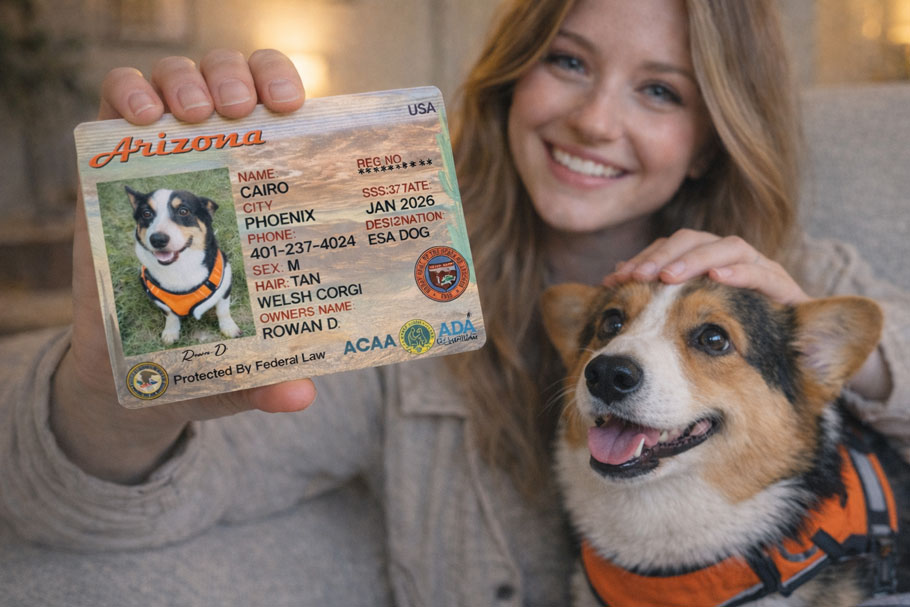
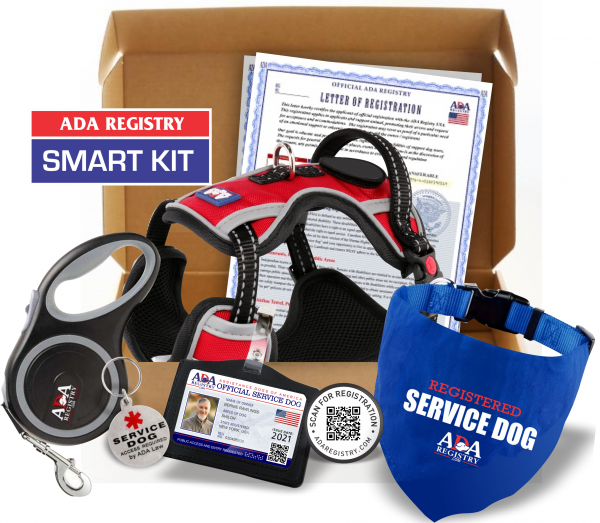
Service dogs are generally not required to be registered in a paid or private database to be “official.” If you see offers to “register” or “certify” a service dog for a fee, that is different from local government licensing and is not the legal basis for service dog access rights.
Service dogs still must follow public health rules
Even though service dogs have legal access protections, they are still subject to legitimate health and safety requirements that apply to animals in the community—such as local rabies vaccination requirements. Practically, you should keep your dog’s rabies certificate current and accessible.
Best practice when contacting local offices
If you call an office about an animal control dog license Franklin County, Texas question and you have a service dog, you can ask: “Do service dogs follow the same licensing/tag rules as other dogs in this city?” The answer depends on the local ordinance, but rabies vaccination compliance is typically expected regardless of the dog’s role.
Emotional Support Animal Rules in Franklin County, Texas
ESAs are not the same as service dogs
An emotional support animal (ESA) is generally a pet that provides comfort through companionship. ESAs are different from service dogs because ESAs are not necessarily trained to perform specific tasks related to a disability.
ESAs typically do not have public access rights
In most everyday settings (stores, restaurants, public venues), ESAs generally do not have the same access rights as service dogs. Rules for pets and animals in public places are usually enforced locally and by the business/property rules, subject to applicable law.
ESAs may matter most in housing contexts
ESA status most often comes up in housing situations. Even then, local animal ordinances and rabies vaccination requirements still apply. If your landlord asks for documentation, that is separate from local “dog license” requirements (if any) and separate from a service dog’s legal status.
Avoid confusing “ESA registration” with local licensing
If you’re trying to figure out how to register my dog in Franklin County, Texas, an ESA letter/verification (if applicable to your situation) does not replace local compliance steps like rabies vaccination documentation or any local licensing/tag program run by a city animal control office.